Fiserv · Program Design Case Study

The promoters were ready. The path didn't exist. So I built it.

A referral program built from zero across 4 countries, where the hardest design work wasn't the screens: it was the system around them.

Referrals vs last year
12×Onboarded leads vs traditional process
41%LATAM associates engaged
6.5×The conversion of a commercial visit
Paid itselfIn 4 months

Fiserv Champions — Impulsionados pela paixão. Unidos pelo propósito.
quick_reference_all Overview
Context

An opportunity nobody was acting on

Fiserv measures client satisfaction continuously. Working close to the quality team, which owns NPS, CSAT and LTR (Likelihood to Recommend), I spotted the pattern: a high volume of promoter clients. People already saying they would recommend us.

Promoters just need a path. And we had none:

  • No referral program in our products
  • Internal processes didn't measure any referral journey
  • Tools didn't support a referral journey end to end
RoleProduct Designer (Specialist)
Culture and Innovation Pillar
FocusProgram Design, Service Design, Multi-country Stakeholder Alignment
CollaboratorsCommercial, Marketing, HR, Pricing, Quality, Technology (Salesforce, Global Dashboard) across Brazil, Argentina, Uruguay and Mexico
TimelineOngoing 2026 · designed, launched and iterating
The Challenge

The obvious move was to launch

Promoters ready, competitors with referral programs, pressure for acquisition. The obvious move was to activate those promoters immediately.

The real problem

If someone refers a client and the experience fails, you lose two clients: the referred and the referrer.

Activating promoters without a working process isn't an acquisition strategy. It's a detractor factory. The real design problem wasn't a referral screen.

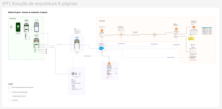
It was the entire system behind it: integrations, commercial journey, rules, training, sustaining rhythm. In 4 countries.

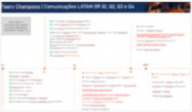
System map behind the referral program
How Might We

How might we turn promoters into an acquisition channel without burning the trust that made them promoters?

lightbulb_2 The solution

The strategic decision: An MVP inside the company

Instead of launching to clients, I proposed running the program as an MVP with the company itself:

Associates first

A forgiving audience, easy to iterate with. And the timing helped: I was already working with HR on the #FiservProud pillar, so the program plugged into an engagement effort already in motion.

Research in parallel

While the MVP runs with associates, research with end clients keeps moving. When the program opens to clients, it will launch informed, not guessed.

Fix processes and tools before scaling

Salesforce integrations, Global Dashboard, commercial journey, franchisee priority rules. All of it gets proven inside the company, before a single client depends on it.

What I built

A program, not a screen

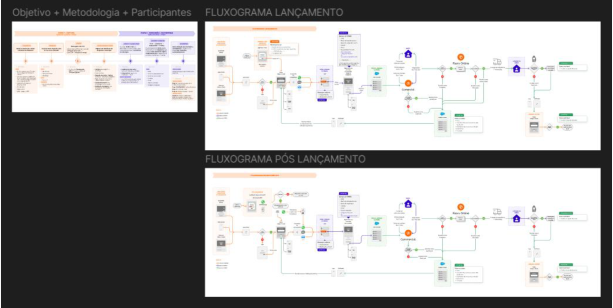
Ideation flowchart

Ideation

from the data opportunity to the program proposal

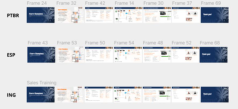
Journey flows

Flows and screens

referrer, referred, and commercial team journeys

Rules board

Rules and regulation

what counts as a referral, who gets credit, franchisee priority

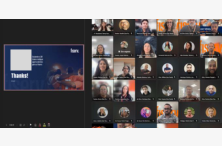
Stakeholder alignment call

Multi-stakeholder alignment

technology, marketing, commercial, HR and pricing in 4 countries

Commercial training materials

Commercial training

how to qualify and follow up referrals

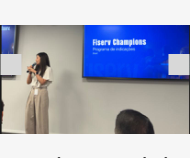
Associate training session

Associate training

how to talk about Fiserv without sounding like a forced sale

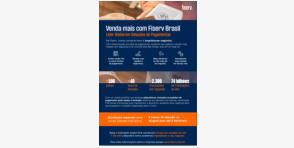
Program materials

Materials

digital and physical, for the program and the company

Communication plan

Communication cadence

activation and reactivation rhythm

Sustaining dashboards

Sustaining plan

how the program stays alive after launch

monitoring Business impact

Paid for itself in 4 months

All results from the MVP phase:

Associate referrals vs last year
12×Onboarded leads vs traditional process
41%LATAM associates engaged
6.5×The conversion of a commercial visit

Still open

lightbulb_2

We don't yet track how many site leads come from referrals

The interest form doesn't capture that origin. It's not a hidden flaw, it's the next problem on the roadmap.

And the bigger milestone ahead: taking the program from MVP to the promoter clients who inspired it, with the processes and tools already proven inside the company.

Meanwhile, the iteration keeps running:

Measuring every activation

to plan the next ones and keep the company engaged, activation by activation

Improving the referral tools

based on what each cycle reveals

Developing the tools for end clients

preparing the ground for the next phase

What I learned from this project

recenter

Influence without authority is a design skill.

Aligning pricing, HR, commercial, marketing and technology in 4 countries, with no reporting line over any of them, means building the right argument for each room.

recenter

The risk analysis is part of the design.

Knowing where referral programs fail is why this one started with associates, not clients.

recenter

Programs need sustaining, not just launching.

The communication cadence and the sustaining plan matter as much as the flows.